


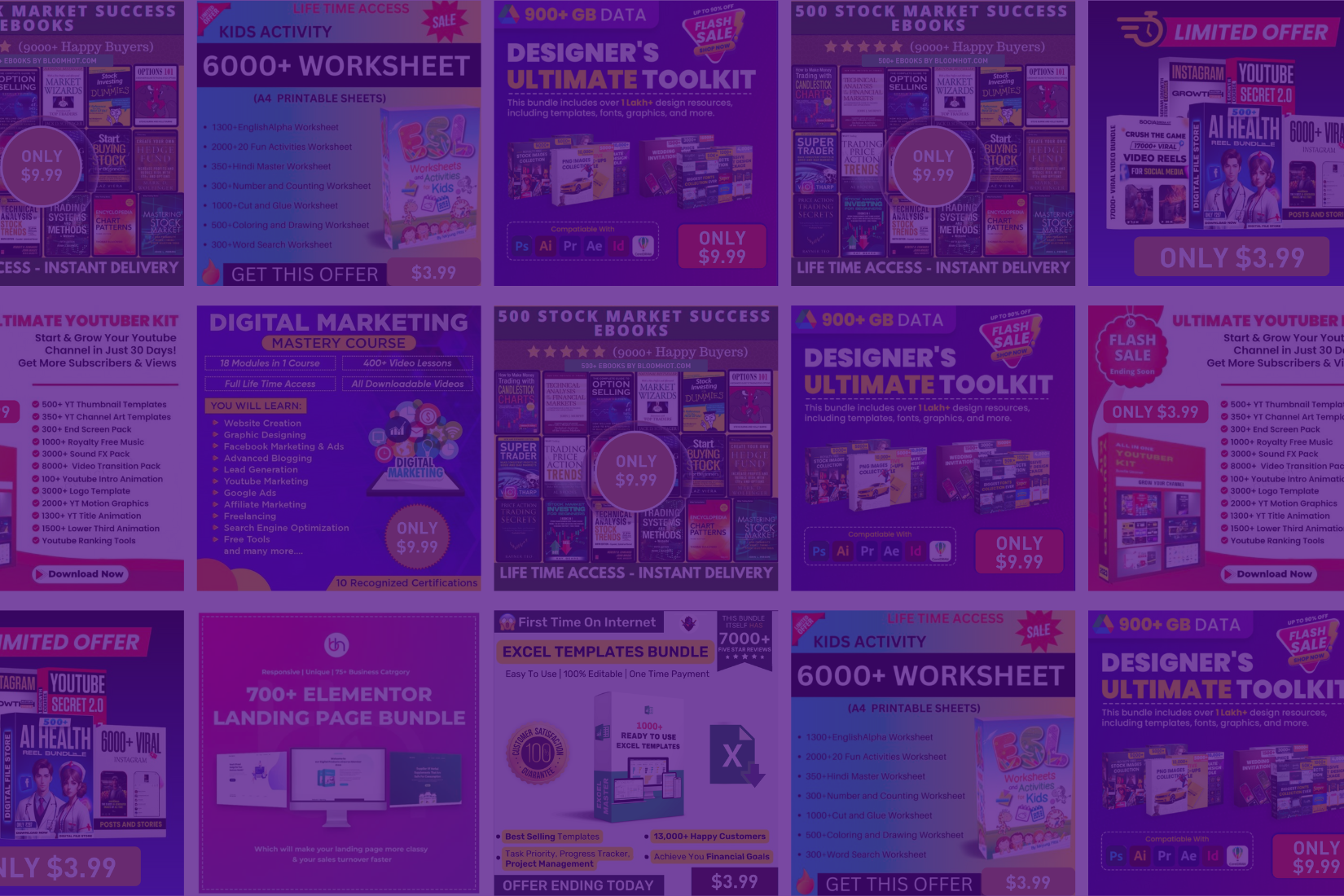
In the ever-evolving landscape of e-commerce, the digital products reselling industry stands out as a dynamic and lucrative opportunity for aspiring entrepreneurs. As we delve into the intricacies of this burgeoning sector, it’s essential to understand the foundation that makes it thrive.
Digital products reselling involves the distribution and resale of intangible goods such as software, ebooks, online courses, and more. Unlike traditional retail, digital reselling operates in a virtual space, making it accessible to a global audience. This industry is characterized by its adaptability to emerging technologies and consumer preferences.
As technology continues to advance, the demand for digital products has surged, creating a vast market for resellers to explore. From graphic design assets to subscription services, the digital products ecosystem is diverse, offering numerous niches to tap into.
Why should aspiring entrepreneurs consider venturing into the world of digital product reselling? The answer lies in the unique advantages and potential profitability associated with this business model.
- Low Overheads and High Scalability: Unlike traditional retail, digital reselling often requires minimal physical infrastructure. With the right digital storefront, entrepreneurs can reach a global audience without the burden of managing physical inventory.
- Evergreen Demand: Digital products, such as software licenses and online courses, often address ongoing needs and trends. This perpetual demand contributes to a more sustainable and predictable revenue stream.
- Global Reach: The digital nature of the products allows resellers to overcome geographical constraints. This global reach opens up opportunities to tap into diverse markets and demographics.
Now that the stage is set, let’s explore the roadmap to establishing a successful digital products reselling business. Our step-by-step guide will walk you through the essential elements, from understanding the market landscape to scaling your operations.
Whether you’re a seasoned entrepreneur looking to diversify your portfolio or someone taking the first steps into the world of online business, this guide by BloomHot is tailored to equip you with the knowledge and strategies needed for success. Get ready to unlock the doors to a profitable venture and turn your passion for digital products into a thriving business. Join us on this exciting journey as we unveil the secrets to mastering the art of digital products reselling.
Understanding the Digital Products Reselling Landscape
With the groundwork laid in the introduction, let’s now dive into the core aspects of comprehending the digital products reselling landscape. Success in this industry hinges on a robust understanding of the products, and market dynamics, and learning from the experiences of those who have walked the path before you.
Definition and Types of Digital Products
- Defining Digital Products:
- Unravel the concept of digital products, emphasizing their intangible nature.
- Explore various types, including software licenses, ebooks, stock photos, online courses, and more.
- Advantages of Digital Products:
- Highlight the benefits that make digital products appealing for both consumers and resellers.
- Discuss aspects like instant delivery, scalability, and the potential for passive income.
Market Research: Identifying Profitable Niches and Products
- The Importance of Market Research:
- Stress the pivotal role of thorough market research in shaping a successful reselling strategy.
- Showcase how understanding market trends can lead to informed decision-making.
- Identifying Profitable Niches:
- Guide readers on how to pinpoint lucrative niches within the digital products landscape.
- Discuss tools and methods for assessing demand, competition, and audience needs.
- Selecting Winning Products:
- Provide insights into choosing digital products with a high resale potential.
- Discuss factors like evergreen content, target audience preferences, and emerging trends.
Competitor Analysis: Learning from Successful Resellers
- The Art of Competitor Analysis:
- Emphasize the value of studying competitors as a strategic approach to business development.
- Discuss how competitor analysis can reveal market gaps and opportunities.
- Identifying Key Competitors:
- Guide readers on identifying and analyzing direct and indirect competitors in the digital products space.
- Showcase tools and methods for competitor research.
- Learning from Success Stories:
- Share success stories of notable digital product resellers.
- Extract lessons and strategies from their journeys to inspire and inform readers.
As we navigate through these crucial elements, you’ll gain a solid foundation for making informed decisions and positioning your digital products reselling business for success. Stay tuned for the upcoming sections, where we’ll delve into building a strong foundation for your venture.
Building a Strong Foundation
Now that we’ve explored the nuances of the digital products reselling landscape, it’s time to lay a solid foundation for your venture. Building a strong foundation involves strategic planning, understanding your business goals, and ensuring legal compliance. Let’s delve into the essential steps that will set the stage for a successful digital products reselling business.
Creating a Business Plan
- Defining Your Business Goals:
- Articulate clear and achievable short-term and long-term goals for your digital products reselling business.
- Discuss the importance of having a roadmap to guide your efforts and measure success.
- Identifying Your Target Audience:
- Define your target audience based on demographics, interests, and behaviours.
- Explore methods for conducting market research to understand your audience’s needs and preferences.
- Setting a Budget and Financial Projections:
- Guide readers on creating a realistic budget that encompasses initial setup costs, marketing expenses, and ongoing operational costs.
- Introduce the concept of financial projections, emphasizing the importance of forecasting revenue and expenses.
Legal Considerations and Business Registration
- Choosing a Business Structure:
- Outline the various business structures (sole proprietorship, LLC, corporation) and their implications.
- Help readers determine the most suitable structure based on their business goals and risk tolerance.
- Registering Your Business:
- Provide a step-by-step guide on registering a business, including obtaining necessary licenses and permits.
- Highlight the significance of a registered business in building credibility and ensuring legal compliance.
- Complying with Legal Requirements:
- Explore key legal considerations in the digital products reselling domain, such as copyright laws and intellectual property rights.
- Offer guidance on securing licenses and permissions for reselling specific digital products.
By meticulously crafting a business plan and navigating the legal aspects, you’re not just establishing a strong foundation; you’re also safeguarding the longevity and success of your digital products reselling venture. In the upcoming sections, we’ll explore the practical aspects of setting up your digital storefront and sourcing high-quality digital products. Stay tuned for actionable insights that will propel your business forward.
Setting Up Your Digital Storefront
As you embark on the journey of establishing your digital products reselling business, the creation of a compelling digital storefront is pivotal. Your online platform serves as the face of your business, influencing customer experience and, consequently, your success. Let’s delve into the key aspects of setting up a digital storefront that captivates and converts.
Choosing the Right Platform for Your Digital Products
Selecting the appropriate platform for your digital products is a critical decision that impacts functionality, user experience, and scalability. Consider the following factors when making this choice:
- Platform Options:
- Explore popular e-commerce platforms tailored for digital products, such as Shopify, WooCommerce, and Gumroad.
- Compare features, pricing, and user reviews to make an informed decision.
- Digital Product Support:
- Ensure the chosen platform supports the specific types of digital products you intend to resell.
- Check for features like secure file hosting, instant delivery, and easy download management.
Designing an Appealing and User-Friendly Website
- SEO-Friendly Website Structure:
- Implement an SEO-friendly website structure to enhance visibility on search engines.
- Conduct keyword research and strategically incorporate relevant keywords into your product descriptions and meta tags.
- Mobile Responsiveness:
- Prioritize mobile responsiveness to cater to the growing number of users accessing websites via smartphones and tablets.
- Test your website on multiple devices to ensure a seamless experience for all users.
- High-Quality Visuals and Product Images:
- Invest in professional and high-resolution visuals for your products.
- Utilize multiple images showcasing different angles or features of the digital products.
- Optimize images for faster loading times without compromising quality.
Streamlining the Checkout Process
- Efficient Checkout Process:
- Simplify the checkout process to minimize friction for customers.
- Offer secure payment gateways and multiple payment options to accommodate various preferences.
- Transparent Policies:
- Clearly communicate refund, return, and privacy policies to build trust with customers.
- Provide detailed product descriptions, including any licensing or usage restrictions.
Implementing Robust Security Measures
- Secure Digital Transactions:
- Prioritize the security of customer information and transactions.
- Use SSL certificates to encrypt data and ensure a secure browsing experience.
- Protecting Digital Assets:
- Implement measures to protect your digital products from unauthorized access and distribution.
- Consider using unique download links or access codes tied to individual purchases.
By meticulously curating your digital storefront and focusing on user experience, you’re not just selling products; you’re crafting a brand identity. In the upcoming sections, we’ll explore the strategic steps involved in sourcing high-quality digital products and implementing effective marketing strategies. Get ready to elevate your digital products reselling business to new heights.
Sourcing and Acquiring Digital Products
With your digital storefront taking shape, the next crucial step in your journey as a digital products reseller involves sourcing and acquiring the right products. This phase requires a keen eye for quality, ethical practices, and a thorough understanding of legal considerations. Let’s explore how you can navigate this process effectively.
Finding Reliable Digital Product Suppliers
- Researching Reputable Vendors:
- Explore various digital product marketplaces, considering factors such as reputation, customer reviews, and the diversity of offerings.
- Join industry forums or communities to gather insights and recommendations from fellow resellers.
- Negotiating Favorable Terms:
- Establish clear communication channels with potential suppliers.
- Negotiate terms that align with your business goals, considering pricing, exclusivity agreements, and potential discounts for bulk purchases.
Securing Licenses and Permissions
- Understanding Copyright and Licensing:
- Gain a comprehensive understanding of copyright laws and licensing agreements applicable to digital products.
- Differentiate between commercial and personal use licenses, ensuring your offerings comply with legal requirements.
- Avoiding Legal Pitfalls:
- Conduct due diligence to ensure the digital products you intend to resell have the necessary licenses and permissions.
- Stay informed about any potential legal pitfalls associated with specific types of digital content, such as trademarks or third-party intellectual property.
Building Relationships with Content Creators
- Engaging with Content Creators:
- Reach out to content creators directly to explore potential partnerships or exclusive arrangements.
- Build relationships that go beyond transactional interactions, fostering a collaborative environment.
- Promoting Ethical Practices:
- Prioritize products created by content creators who adhere to ethical practices and respect intellectual property rights.
- Showcase your commitment to ethical sourcing in your marketing materials to build trust with customers.
Quality Assurance and Testing
- Ensuring Product Quality:
- Prioritize products with high-quality content and user experiences.
- Test digital products thoroughly to ensure they meet your standards before offering them to your customers.
- Customer Feedback Loop:
- Implement a system for gathering customer feedback on the digital products you offer.
- Use feedback to make informed decisions about the products you continue to resell and identify areas for improvement.
By approaching sourcing and acquiring digital products with diligence and a commitment to ethical practices, you position your business for sustainable growth. In the upcoming sections, we’ll delve into the implementation of effective marketing strategies to enhance your digital storefront’s visibility and drive customer engagement. Stay tuned for actionable insights that will elevate your reselling game.
Implementing Effective Marketing Strategies
With a curated digital storefront and a solid product lineup, the success of your digital products reselling business hinges on effective marketing strategies. In this section, we’ll explore the key elements that can amplify your brand’s visibility and foster customer engagement.
SEO Optimization for Digital Product Descriptions
- Keyword Research:
- Conduct thorough keyword research to identify terms relevant to your digital products and niche.
- Utilize tools like Google Keyword Planner and SEMrush to discover high-traffic, low-competition keywords.
- Crafting Compelling Product Descriptions:
- Infuse targeted keywords naturally into your product descriptions, titles, and meta tags.
- Create compelling and informative descriptions that not only cater to search engines but also entice potential buyers.
Content Marketing
- Blogging About Relevant Industry Topics:
- Establish a blog on your website to share valuable content related to your digital products and industry.
- Craft informative, engaging, and SEO-friendly blog posts that address the needs and interests of your target audience.
- Creating Engaging Social Media Content:
- Leverage various social media platforms to showcase your digital products.
- Develop a content calendar that includes visually appealing posts, product highlights, and engaging captions to encourage interaction.
Email Marketing for Customer Retention
- Building an Email List:
- Implement strategies to capture email addresses through your website, such as offering incentives or exclusive content.
- Clearly communicate the value of subscribing to your email list.
- Running Targeted Email Campaigns:
- Segment your email list based on customer preferences, purchase history, or engagement levels.
- Design targeted email campaigns, including product announcements, promotions, and personalized recommendations.
Harnessing the Power of Influencer Marketing
- Identifying Relevant Influencers:
- Research and identify influencers in your niche who resonate with your brand.
- Collaborate with influencers to showcase your digital products through reviews, tutorials, or endorsements.
- User-Generated Content:
- Encourage your customers to share their experiences with your products on social media.
- Leverage user-generated content as a powerful marketing tool, showcasing real-life testimonials and endorsements.
Analyzing Marketing Metrics
- Monitoring Website Traffic and Conversion Rates:
- Utilize tools like Google Analytics to track website traffic and user behaviour.
- Analyze conversion rates and identify areas for optimization in the user journey.
- Iterative Marketing Strategies:
- Continuously refine your marketing strategies based on data and insights.
- Stay adaptable and experiment with new approaches to find what resonates best with your audience.
By implementing these marketing strategies, you’ll not only attract potential customers but also foster long-term relationships that contribute to the growth and sustainability of your digital products reselling business. In the following sections, we’ll explore the importance of e-commerce analytics and delve into customer service and retention strategies. Stay tuned for actionable insights that will propel your business forward.
Leveraging E-Commerce Analytics
To drive the ongoing success of your digital products reselling business, it’s crucial to harness the power of e-commerce analytics. In this section, we’ll explore how monitoring website traffic, analyzing sales data, and paying attention to customer feedback can provide valuable insights for continuous improvement.
Monitoring Website Traffic and User Behavior
- Utilizing Google Analytics:
- Implement Google Analytics to gain comprehensive insights into your website’s performance.
- Track metrics such as page views, bounce rates, and session durations to understand user behaviour.
- Examining Traffic Sources:
- Identify the sources of your website traffic, including organic search, social media, and referral links.
- Allocate resources based on the effectiveness of each traffic source in driving conversions.
- Analyzing User Navigation:
- Study user navigation patterns to identify popular pages and potential bottlenecks.
- Optimize the user experience by streamlining navigation and enhancing the visibility of key products.
Analyzing Sales Data and Customer Feedback
- Sales Data Analysis:
- Dive into your sales data to identify top-selling products, high-converting pages, and peak sales periods.
- Use this information to optimize your product offerings and marketing strategies.
- Customer Feedback Loop:
- Encourage customers to provide feedback on their purchase experience.
- Analyze feedback to identify areas for improvement, addressing both positive and constructive comments.
- Monitoring Customer Satisfaction:
- Implement customer satisfaction surveys to gauge overall satisfaction with your products and services.
- Use the gathered data to make informed decisions on enhancing the customer experience.
Making Data-Driven Decisions for Continuous Improvement
- Setting Key Performance Indicators (KPIs):
- Define clear KPIs aligned with your business goals, such as conversion rates, customer acquisition costs, and customer lifetime value.
- Regularly track and evaluate your performance against these KPIs.
- Iterative Testing and Optimization:
- Embrace a culture of continuous improvement by regularly testing different elements of your website and marketing campaigns.
- A/B testing product descriptions, pricing strategies, and promotional offers can uncover valuable insights.
- Adapting to Market Trends:
- Stay abreast of industry trends and evolving customer preferences.
- Adjust your product offerings, marketing messages, and website design to align with current market dynamics.
- Investing in Technology and Tools:
- Explore new technologies and analytics tools that can provide deeper insights into customer behaviour.
- Stay open to adopting innovative solutions that enhance the efficiency of your operations.
By consistently monitoring and analyzing e-commerce analytics, you empower your business to evolve in response to changing market conditions and customer expectations. In the upcoming section, we’ll explore the critical aspects of customer service and retention to build lasting relationships with your clientele. Stay tuned for insights that will elevate your customer experience.
Customer Service and Retention
Ensuring exceptional customer service and implementing effective retention strategies are integral components of building a sustainable and thriving digital products reselling business. In this section, we’ll explore the key elements of providing excellent customer support, establishing a customer feedback loop, and fostering customer loyalty through promotions and incentives.
Providing Excellent Customer Support
- Responsive Communication:
- Prioritize timely and responsive communication with customers.
- Utilize multiple channels, such as email, live chat, and social media, to address inquiries and concerns promptly.
- Knowledgeable Support Team:
- Train your support team to have a comprehensive understanding of your products and services.
- Equip them with the tools and information necessary to assist customers effectively.
- Clear and Transparent Policies:
- Ensure that your refund, return, and privacy policies are communicated.
- Transparency builds trust and sets clear expectations for customers.
Implementing a Customer Feedback Loop
- Soliciting Feedback:
- Actively encourage customers to provide feedback on their experiences.
- Implement feedback forms, surveys, or post-purchase emails to gather insights.
- Analyzing and Acting on Feedback:
- Regularly analyze customer feedback to identify areas for improvement.
- Use constructive feedback to make strategic enhancements to your products and services.
- Recognizing Positive Feedback:
- Acknowledge and celebrate positive feedback, either publicly or through personalized communication.
- Showcase customer testimonials on your website to build credibility.
Building Customer Loyalty through Promotions and Incentives
- Loyalty Programs:
- Introduce a loyalty program to reward repeat customers.
- Offer discounts, exclusive access to new products, or other incentives to encourage customer loyalty.
- Personalized Promotions:
- Leverage customer data to create personalized promotions.
- Tailor offers based on past purchase history, preferences, and behaviour.
- Limited-Time Offers and Special Events:
- Create a sense of urgency and exclusivity through limited-time promotions and special events.
- Showcase new product launches or exclusive deals to entice repeat purchases.
Building a Community and Engaging Customers
- Online Community Building:
- Establish an online community around your brand and products.
- Leverage social media groups, forums, or dedicated community platforms to foster engagement.
- Content Engagement:
- Create engaging and shareable content that resonates with your audience.
- Encourage customers to share their experiences and user-generated content related to your products.
- Interactive Campaigns:
- Implement interactive campaigns, such as contests or challenges, to involve customers actively.
- Engage with your audience through live sessions, Q&A sessions, or virtual events.
By prioritizing customer service excellence, actively seeking and acting upon feedback, and implementing retention strategies, you not only create satisfied customers but also establish a loyal customer base that advocates for your brand. In the final section, we’ll explore the strategies for scaling your digital products reselling business to new heights. Stay tuned for insights that will guide you on your journey to expansion and success.
Scaling Your Digital Products Reselling Business
As your digital products reselling business gains momentum, the focus shifts towards expansion and scalability. In this section, we’ll delve into strategies for broadening your product offerings, exploring new marketing channels, and automating processes to enhance efficiency.
Expanding Product Offerings
- Diversifying Product Categories:
- Identify complementary product categories within your niche for expansion.
- Introduce new digital products that align with current market trends and customer preferences.
- Collaborating with Content Creators:
- Forge partnerships with content creators to bring exclusive and diverse digital products to your platform.
- Leverage collaborations to tap into new audiences and enhance your product range.
- Regularly Updating Inventory:
- Implement a strategy for regularly updating your product inventory.
- Showcase new arrivals and highlight trending products to keep your offerings fresh and appealing.
Exploring New Marketing Channels
- Influencer and Affiliate Marketing:
- Expand your reach through influencer and affiliate marketing campaigns.
- Collaborate with influencers to promote your digital products, and establish an affiliate program to incentivize partners.
- Paid Advertising Campaigns:
- Invest in targeted paid advertising campaigns across platforms like Google Ads and social media.
- Tailor campaigns are based on customer demographics, behaviours, and the performance of specific digital products.
- Participating in Industry Events:
- Explore opportunities to participate in virtual or physical industry events and trade shows.
- Networking and showcasing your digital products at relevant events can open doors to new audiences and collaborations.
Automating Processes for Efficiency
- Order Fulfillment Automation:
- Implement automation tools for order processing and fulfilment.
- Streamline the digital delivery process to enhance efficiency and provide a seamless customer experience.
- Email Marketing Automation:
- Utilize email marketing automation tools to nurture leads and engage customers.
- Set up automated email campaigns based on customer behaviour, such as abandoned cart reminders and post-purchase follow-ups.
- Customer Relationship Management (CRM) Systems:
- Invest in a CRM system to centralize customer information and interactions.
- Leverage CRM capabilities to personalize communications, track customer journeys, and identify opportunities for upselling or cross-selling.
- Analytics and Reporting Automation:
- Implement tools that automate the generation of analytics and performance reports.
- Regularly review these reports to make data-driven decisions and optimize various aspects of your business.
Planning for Scalability
- Infrastructure Scalability:
- Evaluate your website infrastructure to ensure it can handle increased traffic and transactions.
- Consider scalable hosting solutions to accommodate growth without compromising performance.
- Team Expansion and Skill Development:
- Assess your team’s capabilities and identify areas for expansion and skill development.
- Hire additional team members or provide training to equip your workforce with the skills needed for business growth.
- Customer Service Scalability:
- Plan for scalability in customer service by implementing tools like chatbots and expanding your support team.
- Ensure that customer service quality is maintained as the business scales.
By strategically expanding your product offerings, exploring new marketing channels, and automating processes, you position your digital products reselling business for sustainable growth. As you implement these strategies, remember to stay agile and adaptable in response to market dynamics. Congratulations on reaching this stage, and best of luck with scaling your business to new heights!
Conclusion
As we conclude this comprehensive guide on starting and scaling a digital products reselling business, let’s recap the key steps and takeaways that will empower you on your entrepreneurial journey.
- Understanding the Landscape:
- Acknowledge the dynamic nature of the digital products reselling industry.
- Recognize the potential profitability and scalability offered by digital products.
- Building a Strong Foundation:
- Craft a well-defined business plan, setting clear goals and identifying your target audience.
- Navigate legal considerations diligently, choosing the right business structure and ensuring compliance.
- Setting Up Your Digital Storefront:
- Choose the right platform and design an appealing, user-friendly website.
- Prioritize SEO optimization, mobile responsiveness, and high-quality visuals.
- Sourcing and Acquiring Digital Products:
- Find reliable suppliers through thorough research and negotiation.
- Secure licenses and permissions, understanding copyright and avoiding legal pitfalls.
- Implementing Effective Marketing Strategies:
- Optimize digital product descriptions with keyword research.
- Embrace content marketing through blogging, social media, and email campaigns.
- Leveraging E-Commerce Analytics:
- Monitor website traffic, analyze sales data, and actively seek customer feedback.
- Make data-driven decisions to continuously improve your business.
- Customer Service and Retention:
- Provide excellent customer support with clear policies.
- Implement a feedback loop, and build customer loyalty through promotions and incentives.
- Scaling Your Business:
- Expand your product offerings strategically.
- Explore new marketing channels and automate processes for efficiency.
Embarking on a digital products reselling journey is an exciting venture filled with opportunities for innovation and growth. The digital landscape provides a global platform for your business, allowing you to connect with diverse audiences and offer valuable products.
As you take the first steps, remember that success often comes from a combination of strategic planning, adaptability, and a genuine commitment to customer satisfaction. The digital products reselling industry thrives on innovation, so stay curious, explore emerging trends, and continue refining your approach.
We encourage you to leverage the insights gained from this guide, but more importantly, to inject your passion and creativity into your digital products reselling business. The journey ahead is yours to shape, and we wish you every success in building a thriving and rewarding venture. Start today, and watch as your digital products reselling journey unfolds into a fulfilling and prosperous business endeavor. Best of luck!